The atmosphere in Vienna is unique: strolling through the old town centre you feel as if you are reliving the romantic 19th century, with its princely balls, concerts by great musicians and the pageantry of the imperial courts.
Inevitably, therefore, the list of what to see in Vienna is occupied almost entirely by imperial regalia and princely palaces, to which one cannot fail to add the home of Austria’s most famous composer, Mozart: admittedly, this latter residence is less sumptuous than the rooms of Sissi and Franz Joseph, but it is still worth a visit.
You cannot come to Vienna and not take a ride on the famous Prater Ferris wheel, perhaps before or after a coffee and cake break in one of Vienna’s legendary cafés. Art lovers cannot miss the city’s prestigious museums, first and foremost the Kunstistorisches Museum where Klimt’s most famous painting is kept.
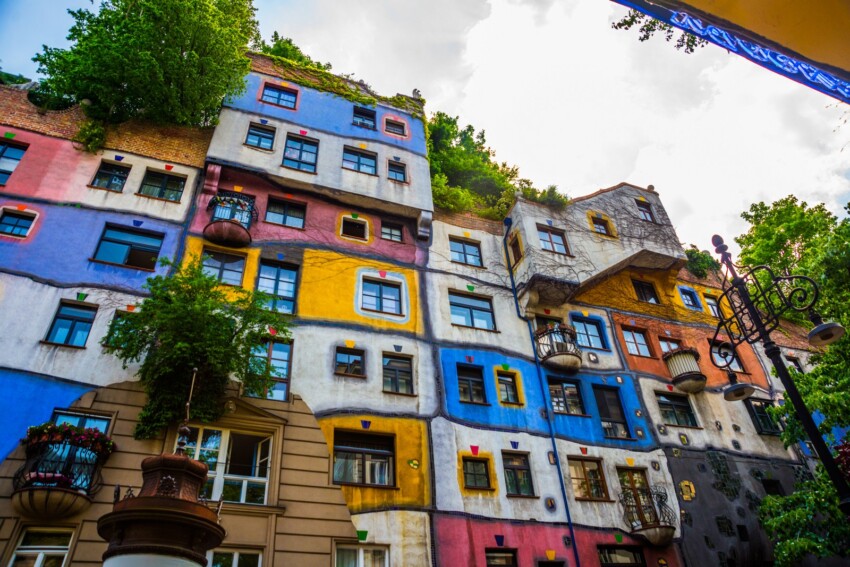
Set aside some time for modern Vienna, which is no less fascinating than imperial Vienna: the Naschmarkt market is a picturesque mix of cultures that attracts an eclectic crowd of all ages; the Hundertwasser is a splendid example of contemporary architecture and an exceptional photo subject.
Between ancient and modern, here is the list of 10 must-see attractions in Vienna.
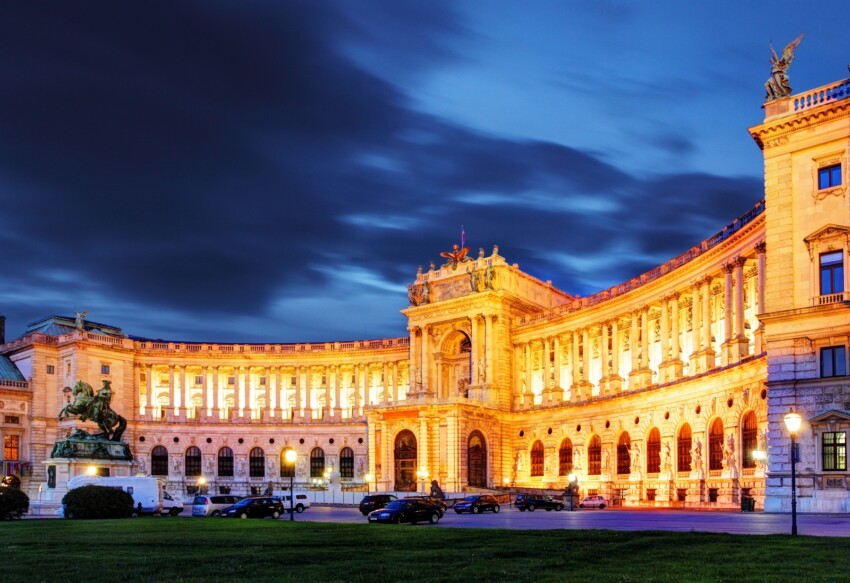
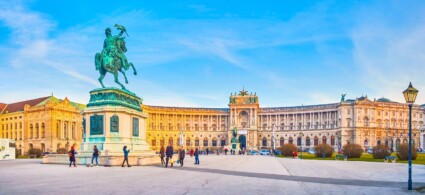
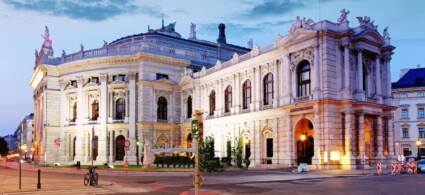
Vienna’s top attraction is the Hofburg, the Imperial Palace, the Habsburg palace in the heart of the capital, an exuberance of richly decorated rooms that will transport you to the magical world of Viennese nobility.
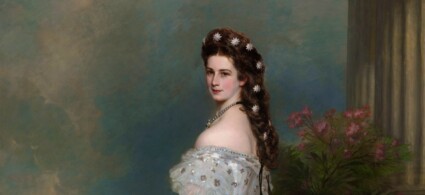
During your visit to the Hofburg, you will have the chance to enter the private rooms of Sissi and Franz, the most famous imperial couple of the Habsburg dynasty, made immortal by a successful 1950s film saga.
You can see the gymnasium where Sissi, a fanatic of figure, exercised every day, the boudoir where her hair was styled, the studio where Franz worked from as early as four o’clock in the morning, the imperial bedroom and many other rooms.
All your curiosity about Empress Elisabeth’s life will be satisfied by the museum dedicated to her, the Sisi Museum, which recounts her life from her birth in Bavaria to her tragic assassination in Geneva, between reality and myth. Hundreds of Sissi’s personal objects are on display in the museum, including clothes, accessories, cosmetics and… death certificate.
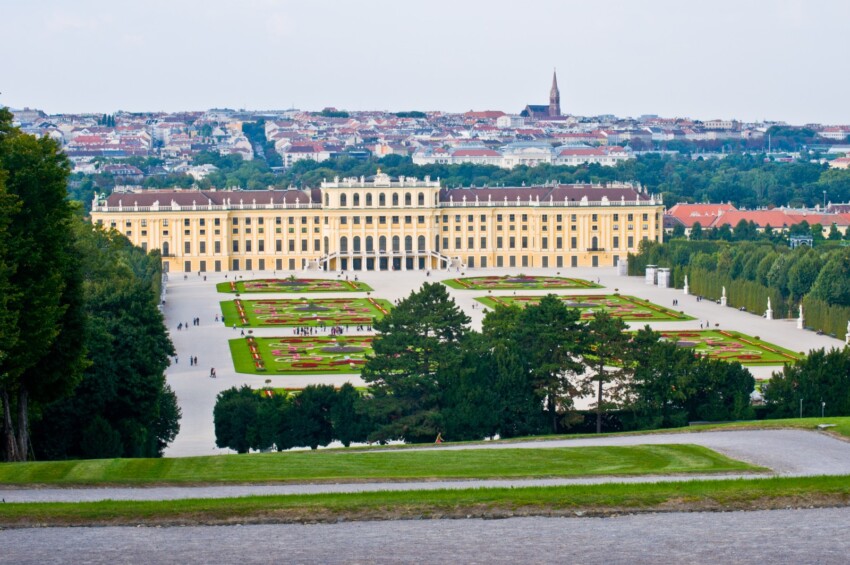
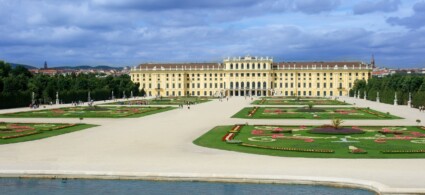
In summer, the Habsburg court moved to the no less sumptuous Schönbrunn Palace, a marvellous Baroque palace surrounded by a huge park, so large that you can ride around in a little train.
Originally, the romantic and fairytale-like Schoenbrunn Palace was located outside the city, in the open countryside, but in modern times it has been incorporated into the Viennese suburbs and today can be reached quickly by metro.
Events that changed European history, such as the Congress of Vienna and the end of the Habsburg monarchy, took place in its elegant halls; Emperor Franz Joseph was born here and a very young Mozart made his first public appearances before the Habsburg court.
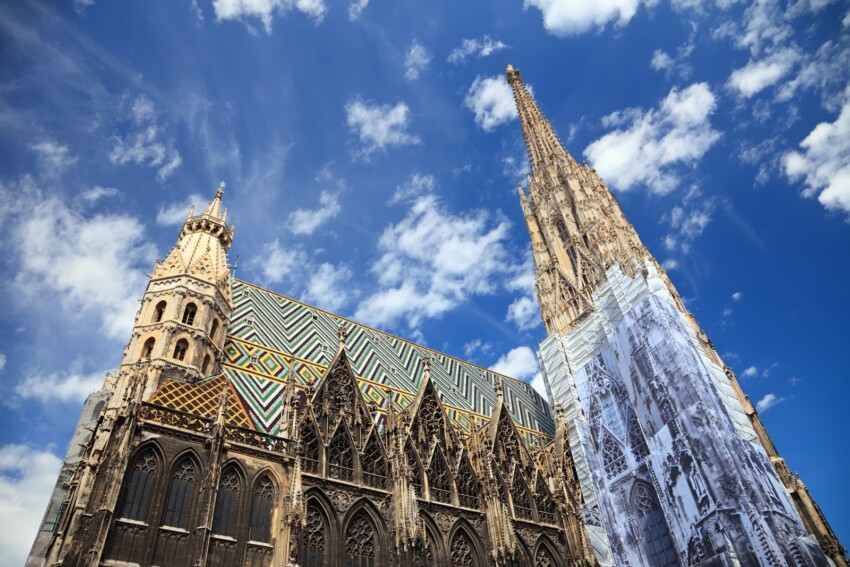
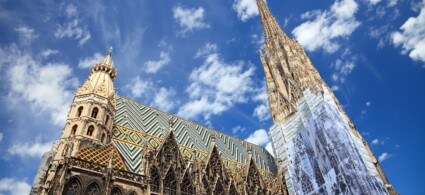
The magnificent St. Stephen’s Cathedral (Stephansdom in German), a Gothic masterpiece dating back to the 11th century, is one of Vienna’s landmarks, located in the heart of the Innere Stadt, the historic city centre.
Already from a distance you can make out its tall towers, curiously of different heights: you can climb the south tower, the highest, to enjoy an extraordinary panoramic view of the old town.
Another feature that makes St. Stephen’s Cathedral immediately recognisable is its colourful roof of glazed tiles forming the solemn images of the two-headed eagle, symbol of the Habsburg Empire, the coat of arms of the city of Vienna and that of the Austrian nation.
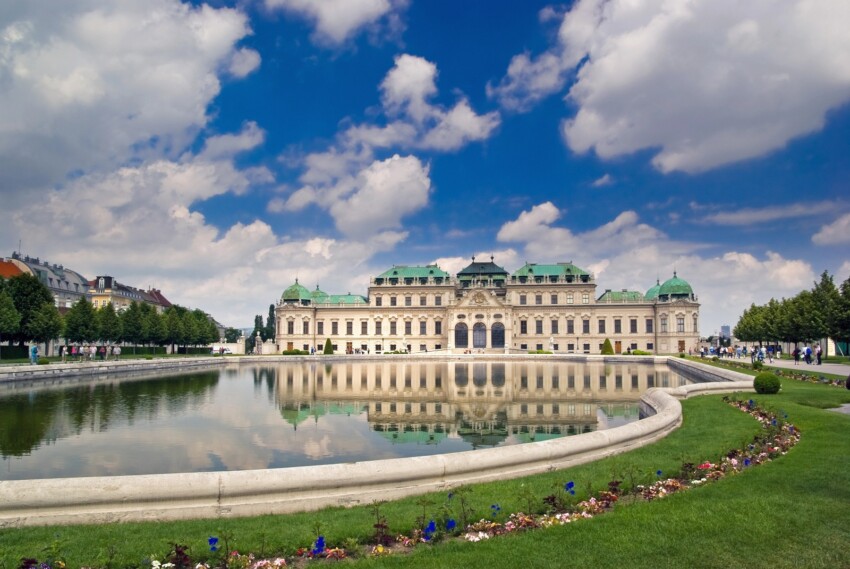
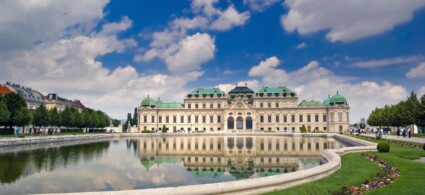
The only one of Vienna’s most famous princely palaces not built at the behest of the Habsburgs is Belvedere Castle, founded by the wealthy Prince Eugene of Savoy, a condottiere in the service of Austria who distinguished himself in the fight against the Turks. The prince spared no expense in decorating his Viennese palace, which was so beautiful that when he died, the Habsburgs decided to take it over.
Even if you can’t get enough of royal courts, you must include Belvedere Castle in your holiday programme for a very simple reason: today the castle is a prestigious museum displaying the world’s largest collection of Austrian art.
The centrepiece of the collection is a world-famous painting, Klimt’s Kiss: you’ve seen it on countless stationery items such as posters, diaries, postcards, now come experience the thrill of admiring the original.
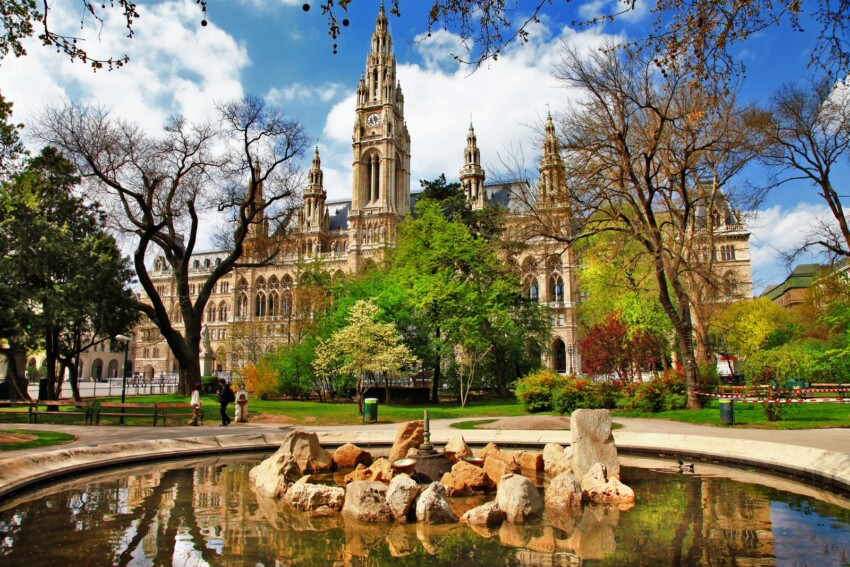
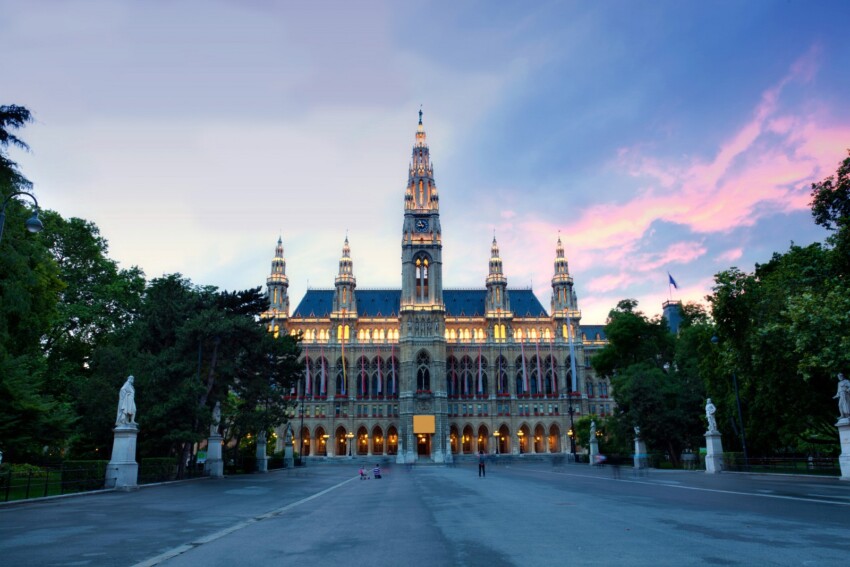
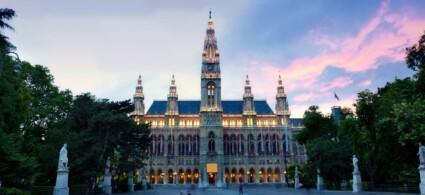
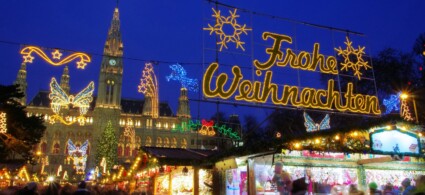
Vienna’s liveliest square is the central Rathausplatz, the town hall square, which is the scene of numerous events throughout the year: the city’s largest Christmas market is held here, as well as the crowded summer Musikfilm festival, the Life Ball (a charity event dedicated to the fight against AIDS), New Year’s Eve fireworks and various other open-air performances.
The elegant square is dominated by theRathaus(town hall), a stunning neo-Gothic building constructed between 1872 and 1883 and modelled on the Flemish city halls by Friedrich von Schmidt, former master builder of Cologne Cathedral.
At the top of the town hall tower, the Rathausmann, a statue of a medieval knight whose armour was modelled on that of Emperor Maximilian I, has defied the elements for hundreds of years.
In the winter months, a huge ice skating rink is set up in the town hall square, adding a touch of charm to an already highly atmospheric location.
Imperial Vienna is the best known face of the Austrian capital, but the city’s architectural heritage is not limited to the sumptuous Habsburg palaces. Even after the fall of the monarchy, Vienna continued to maintain a leading role in the fields of art and architecture.
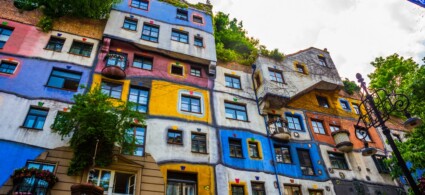
An original testimony to this vitality is the Hundertwasserhaus, a house with a colourful façade that invariably catches the eye of anyone passing through for the first time. The building is named after the artist who designed it, Friedensreich Hundertwasser).
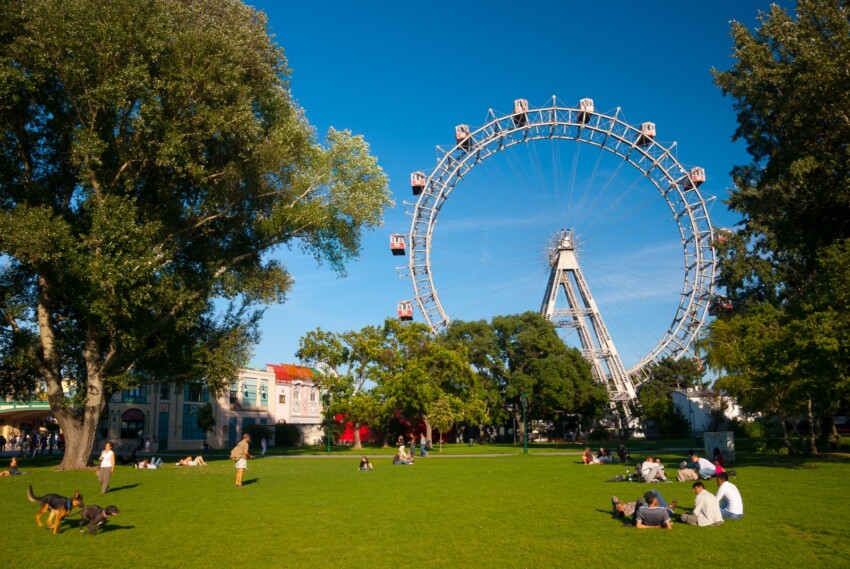
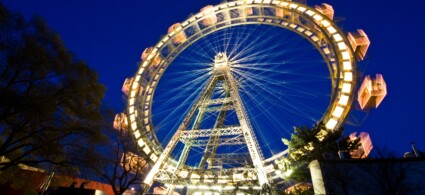
The most famous Ferris wheel in the world is the one in Vienna, the romantic Wieser Riesenrad in the Prater, which has been delighting an audience of children and adults for more than a hundred years.
Although the wheel has been adapted for modern audiences, with the addition of many comforts, it still retains its vintage charm, thanks to the wooden cabins and iron infrastructure that are somewhat reminiscent of the Eiffel Tower in Paris.
The Ferris wheel is also one of the symbols of Vienna and one of the best vantage points in the city: the view you will enjoy when your cabin reaches the highest point of the panoramic ride is simply breathtaking. For even more fascination, climb onto the wheel in the evening hours to enjoy the spectacle of the illuminated city.
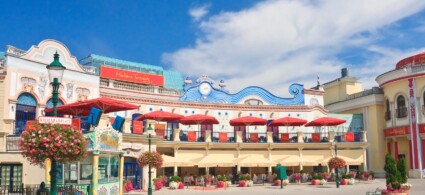
Once off the wheel, stick around: the Prater is the oldest amusement park in the world, with more than 250 attractions, and one of the most beautiful parks in the city. You could spend a whole day here between the wheel, rides, walks in the green and a succulent meal of typical Austrian specialities in one of the park’s taverns.
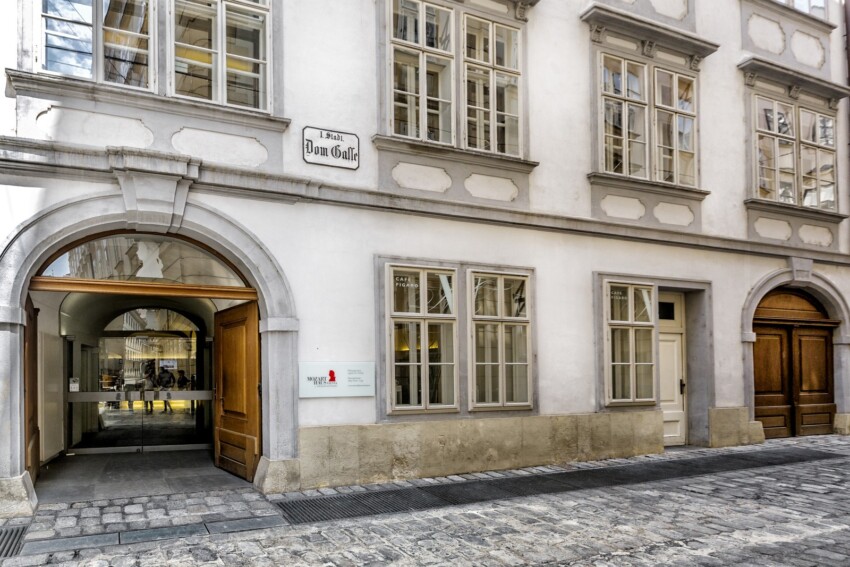
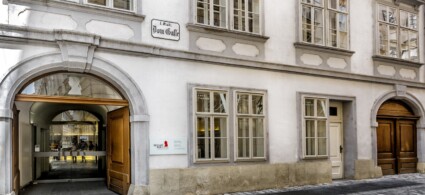
The brilliant composer Wolfang Amadeus Mozart loved Vienna much more than his hometown of Salzburg. Visit the house where he lived some of the happiest and most prolific years of his life and composed some of his most famous works, such as The Marriage of Figaro.
Mozarthaus occupies three floors of a historic building on Domgasse: one is the flat where Mozart lived with his family, the other two are a museum, with a section dedicated to Mozart’s music and another that will give you an in-depth insight into the Vienna of those years and the social and cultural context.
Prepare to discover the personal sides of one of the musicians who made music history, including not only his virtues but also his flaws and eccentricities.
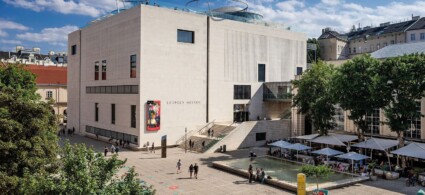
Partly due to the Habsburgs’ passion for art collecting, or perhaps more to their desire to show off, and partly due to a cultural ferment that is still very much alive today, Vienna is a city with a wealth of interesting museums, both of ancient and contemporary art.
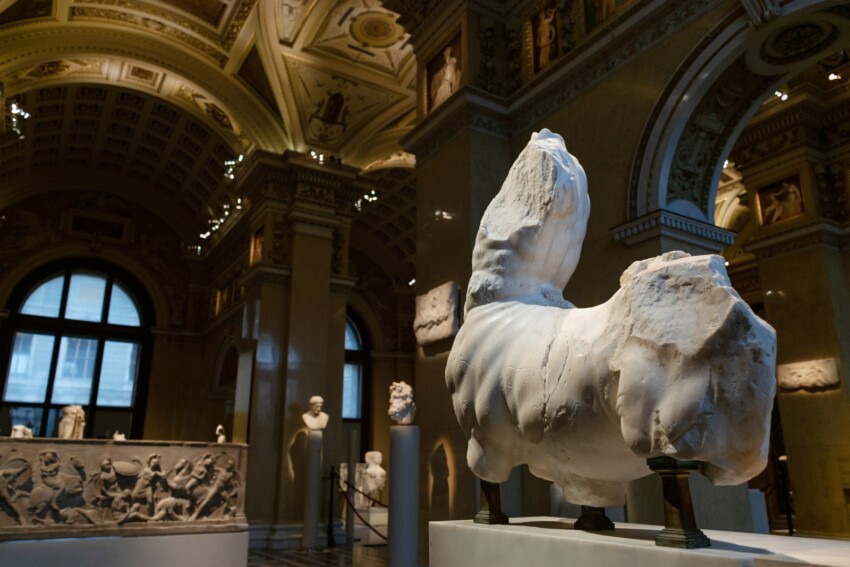
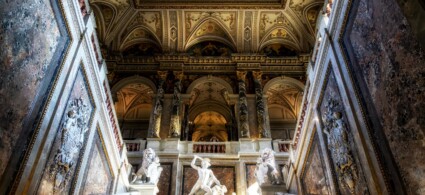
If you only have time for one museum, we recommend the Kunsthistorisches Museum, the prestigious Museum of Art History just a stone’s throw from the Hofburg. Housed in a magnificent palace, the museum is divided into several collections including the numismatic cabinet, the Egyptian art collection, a collection of ancient art and the Kunstkammer, a prestigious collection of decorative arts.
The most famous collection in this museum is the Picture Gallery, which holds masterpieces by the likes of Rubens, Rembrandt, Titian, Veronese, Tintoretto, Caravaggio, Canaletto, Dürer, Cranach, Holbein, van Dyck and Velázquez, as well as the most important collection of paintings by Bruegel the Elder in the world.
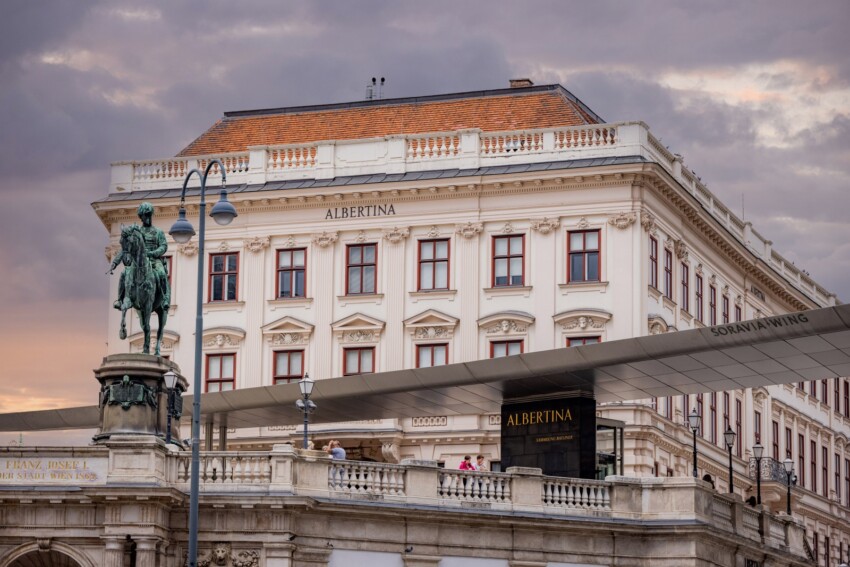
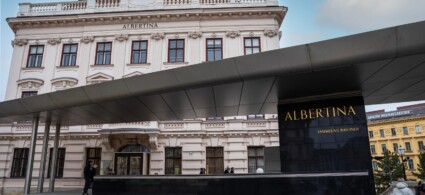
Formerly used as a residence for the Emperor’s guests, the Albertina now houses the world’s leading collection of graphic art.
Started in 1768 by Maria Theresa’s son-in-law, Duke Albert of Sachsen-Teschen, the collection has about one and a half million prints and 50,000 drawings, including the world’s largest collection of drawings by Durer (145), 43 by Raphael, 70 by Rembrandt and 150 by Schiele.
The collection also houses numerous drawings by Leonardo da Vinci, Michelangelo, Rubens, Bruegel, Cézanne, Picasso and Matisse.
For obvious reasons of space, only a fraction of the impressive quantity of drawings and prints held in the Albertina archive are displayed in the rooms on a rotating basis.
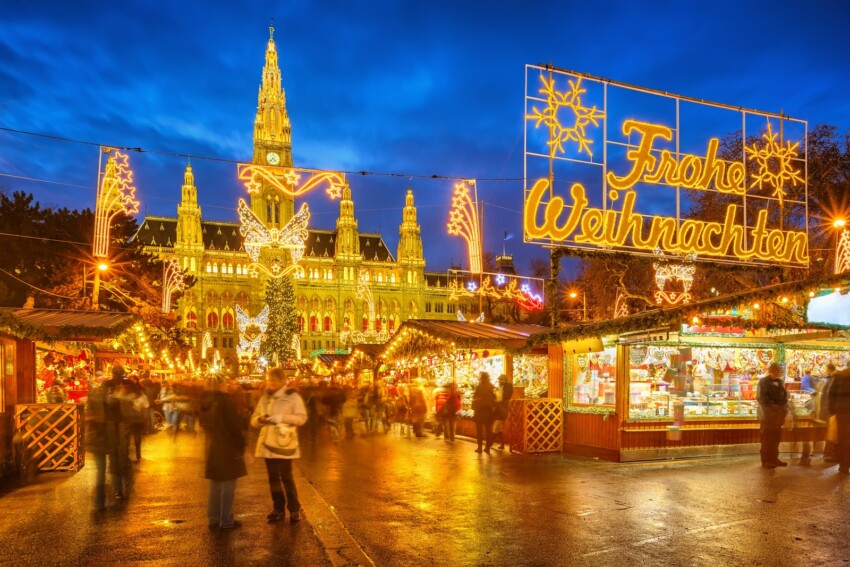
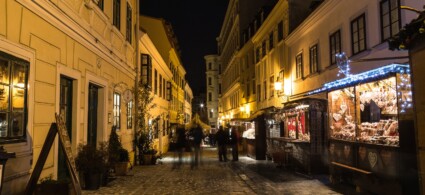
One of Vienna’s most famous tourist attractions is certainly its wonderful Christmas markets. Scattered throughout the city, they add charm and magic to a capital city that looks like the setting for a fairytale film.
Browse through the Christmas markets in search of decorations for your home or refined and original gift ideas for friends and family; warm yourself up with a hot punch during your search.
If you love shopping at markets, however, you don’t have to wait for Christmas: all year round, from Monday to Saturday, the colourful Naschmarkt Market11 is open, a sort of tidier bazaar where you can buy a little bit of everything. On Saturdays, the number of stalls increases considerably because the flea market is added.
Naschmarkt is also worth visiting for its interesting gastronomic offerings, with a variety of places offering Austrian specialities and ethnic food at a good price.
Guided and free tours of Vienna
Discover Vienna through the eyes of expert guides who will take you on a tour of the city's hidden treasures. Participating in a guided visit or a free tour will allow you to capture the true essence of Vienna.
The free tours are a viable alternative to traditional guided tours. They work like this: participation is free and at the end of the visit you can leave a tip at your discretion. Below you will find our favourite free tour, otherwise you can see the full list by visiting this page.

 Hotel
Hotel  Budget accommodations
  Apartments
  Family Hotel
  Luxury Hotel