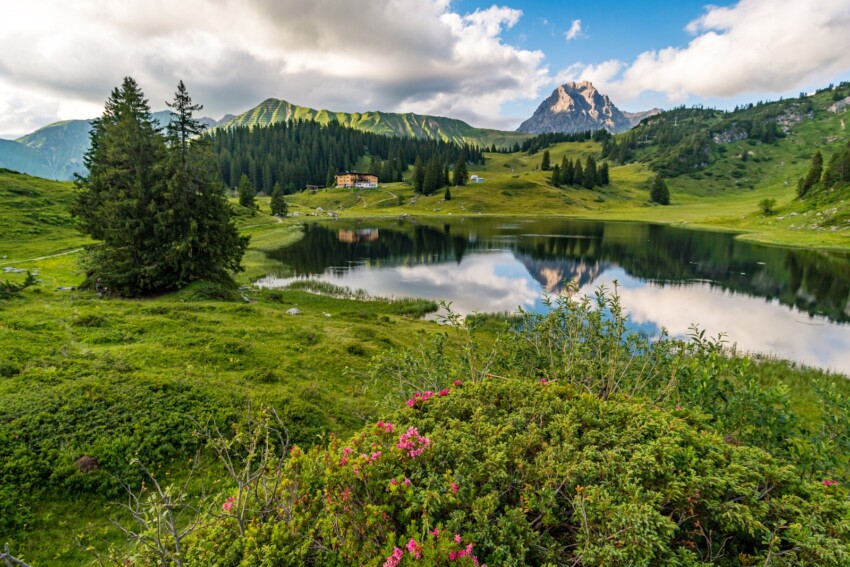
Austria is divided into nine federal regions (Bundesländer) that reflect the cultural and scenic richness of this Alpine country. Each region has developed distinctive identities through centuries of history, from Habsburg grandeur to Alpine peasant traditions, creating a territorial mosaic of extraordinary variety.
The Austrian federal structure, consolidated after the First World War, has allowed each region to preserve its linguistic, architectural and culinary specificities. From imperial metropolises such as Vienna to the mountain villages of the Tyrol, each Bundesland offers unique experiences ranging from Baroque art to wild Alpine landscapes.
The nine regions are distinguished by precise geographical and cultural characteristics: Vienna concentrates political and cultural power, Tyrol dominates with its Alpine peaks, Carinthia seduces with its lakes, while Burgenland surprises with its wine-growing plains. This territorial diversity has forged gastronomic, architectural and folkloric traditions that make each region a destination in its own right.
The legacy of the Habsburg Empire permeates all regions, manifesting itself in Baroque palaces, Gothic churches and medieval town centres that bear witness to centuries of European cultural splendour. At the same time, Alpine and peasant traditions keep the authenticity of the regions alive, creating a perfect balance between history and modernity.
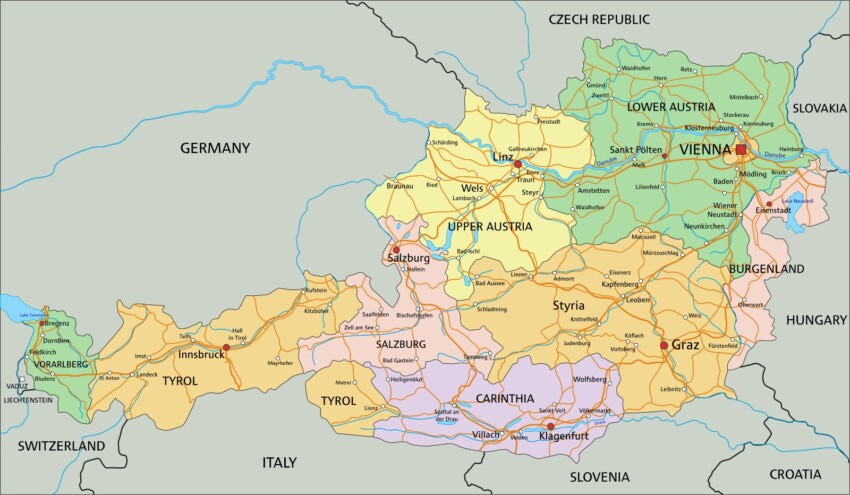
Here is the list of Austrian regions with their capitals, in a sequence from east to west and back.
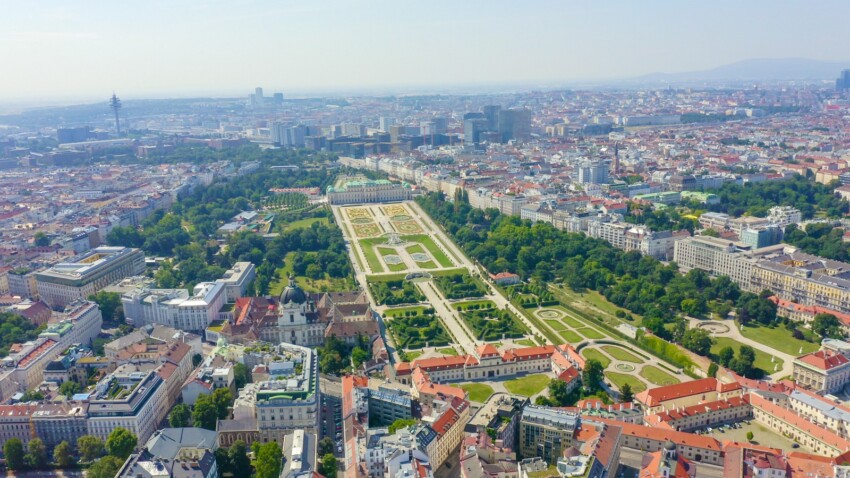
Of the Austrian Landërs, Vienna is the only one with a mayor, but as the nation’s capital, it is only natural that it should be granted some privilege.
It is impossible, if not ridiculous, to attempt to summarise in two lines what to see in Vienna: discover the capital’s tourist attractions on the pages we have dedicated to it.
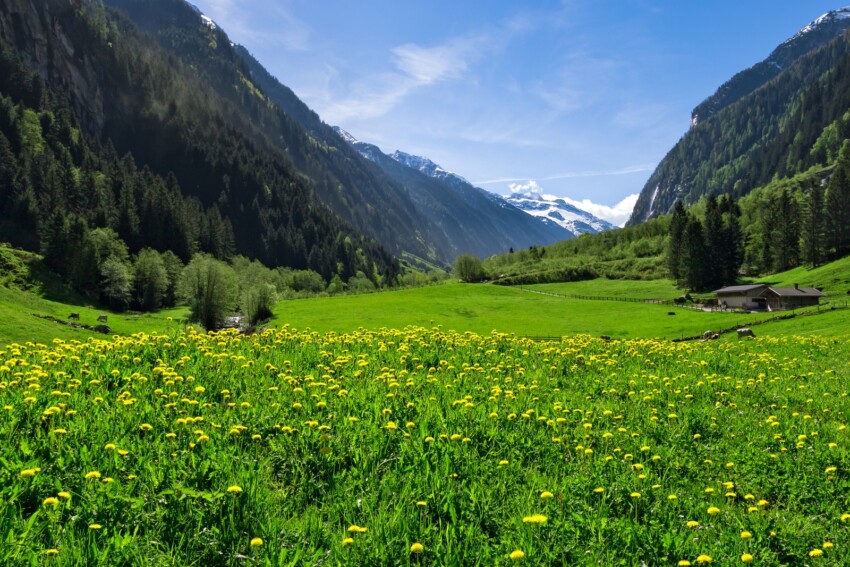
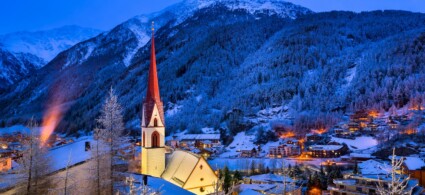
The Tyrol represents the essence of the Eastern Alps, with 60 per cent of the territory situated above 1,000 metres above sea level. The region is home to 573 peaks above 3,000 metres, including the Grossglockner ( 3,798 m), the highest mountain in Austria, located in the Hohe Tauern National Park, which covers 1,856 square kilometres.
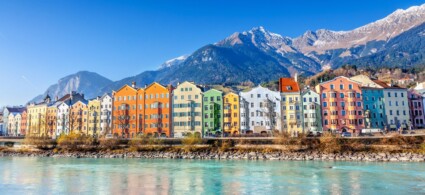
Innsbruck, the regional capital with 132,000 inhabitants, has twice hosted the Winter Olympics (1964 and 1976) and is the perfect combination of urban life and direct access to the mountains. The Nordkette, which can be reached by modern cable car from the city centre, takes you to 2,334 metres in just 20 minutes, offering spectacular views of the Inn Valley.
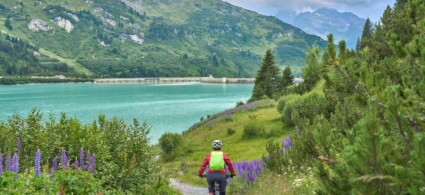
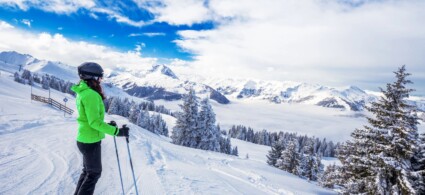
Tyrol is home to more than 80 ski areas, including prestigious domains such as Kitzbühel, St. Anton am Arlberg and Sölden. In summer, 15,000 kilometres of hiking trails attract hiking enthusiasts from all over the world.
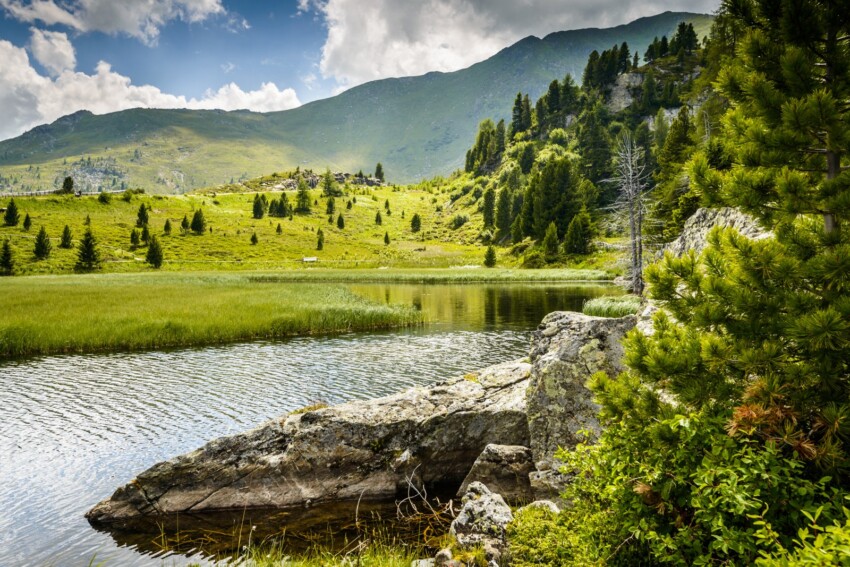
Carinthia (Kärnten) seduces with over 200 bathing lakes and a unique Mediterranean microclimate in the Eastern Alps. This southern region borders Slovenia and Italy, maintaining multicultural influences that are reflected in its distinctive architecture, language and culinary traditions.
The 19.39-kilometre-long Wörthersee is Austria’s most famous bathing lake with summer temperatures of up to 28°C. The Belle Époque villas dotting the shores testify to the prestige of this destination, frequented by the Habsburg nobility and today by international celebrities. Klagenfurt, the regional capital, has a perfectly preserved Renaissance town centre.
Villach, Carinthia’s second largest city, is distinguished by its natural thermal baths, which gush out at 29°C from the depths of the Alps. Villach’s thermal waters contain high concentrations of beneficial minerals, which have been used for therapeutic treatments since Roman times.
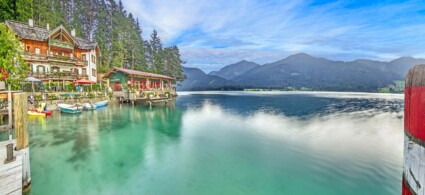
The Carinthian lakes offer extraordinary scenic diversity: the Faaker See impresses with its turquoise water, the Millstätter See stretches between wooded mountains, while the Ossiacher See hosts summer music festivals in the Benedictine abbey of Ossiach.
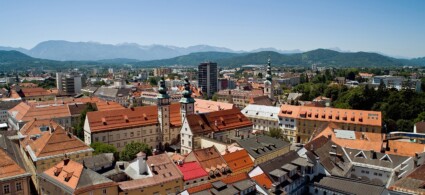
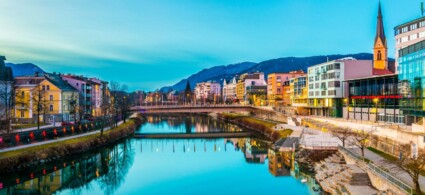
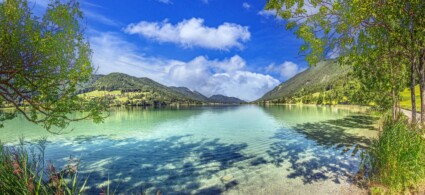
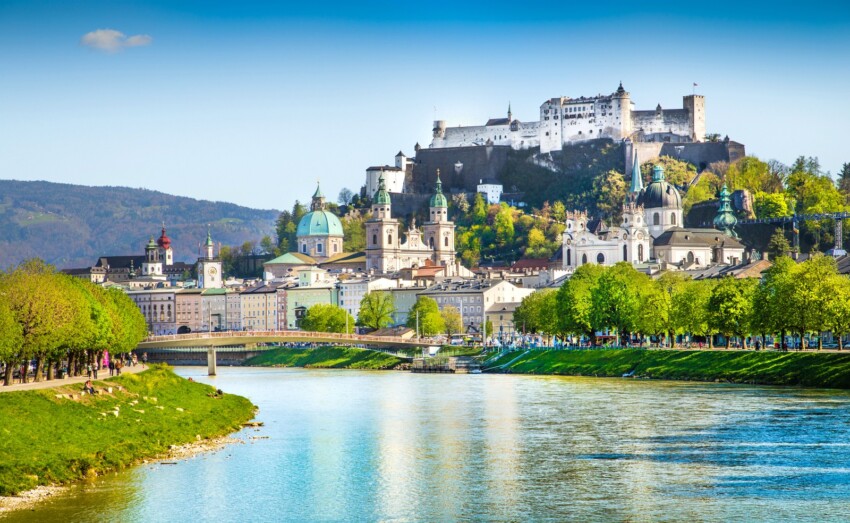
The Salzburg region blends Baroque magnificence, musical genius and Alpine landscapes into a unique cultural synthesis. This region, which owes its name to the ancient salt mines (Salz), generated riches that enabled the prince-archbishops to build one of the most beautiful cities in Europe.
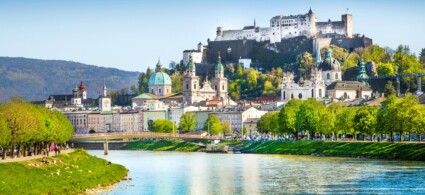
Salzburg city, a UNESCO World Heritage site since 1996, has the best preserved Baroque old town north of the Alps. Mozart’s birthplace in the Getreidegasse attracts 300,000 visitors annually, while the Salzburg Festival, founded in 1920, is the world’s most prestigious musical event with 200 performances in six summer weeks.
Fortress Hohensalzburg dominates the city from a height of 506 metres, making it one of the best-preserved medieval fortresses in central Europe. Built from 1077, it houses museums documenting 900 years of Salzburg history through armour, ancient musical instruments and princely flats.
The Salzkammergut of Salzburg includes crystal clear lakes and fairytale villages such as St. Wolfgang, St. Gilgen and Fuschl am See. This area, which is shared with Upper Austria and Styria, offers 76 bathing lakes nestled between mountains reaching up to the 2,995 metre high Dachstein.
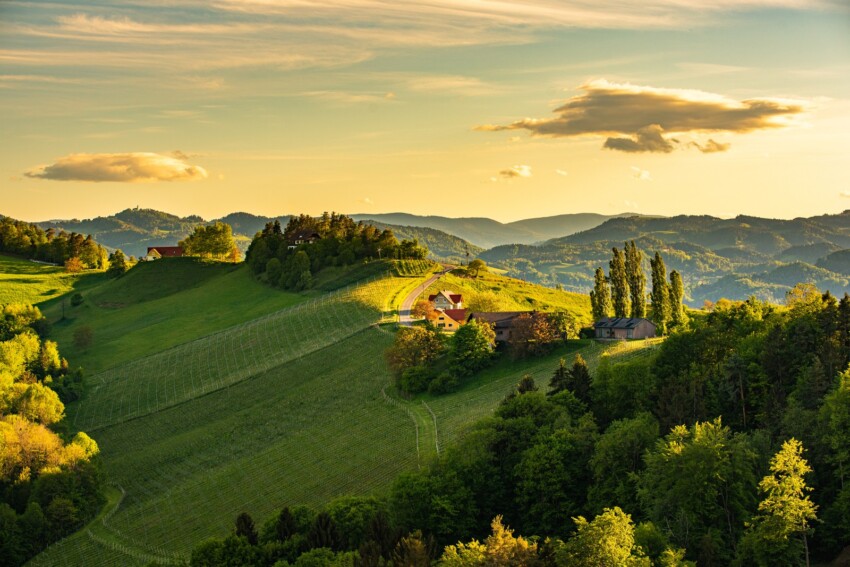
Styria (Steiermark), nicknamed the ‘green heart of Austria’, combines hilly landscapes, natural spas and culinary traditions that have made it famous beyond its borders. This south-eastern region produces 25 per cent of Austria’s wine and is home to some of the best-preserved alpine ecosystems in Europe.
Graz, the regional capital and UNESCO heritage site, has the largest Renaissance old town in central Austria. The Hauptplatz, surrounded by frescoed palaces from the 16th century, hosts weekly markets that maintain centuries-old trading traditions. Eggenberg Castle, a Baroque masterpiece with 365 windows and 24 state rooms, symbolises the calendar year through its architecture.
Styrian thermal baths make use of natural springs bubbling up from the volcanic depths. Bad Gleichenberg, Bad Radkersburg and Loipersdorf offer thermal waters with temperatures of up to 62 °C, rich in beneficial minerals. Loipersdorf, Austria’s largest thermal complex, welcomes 800,000 visitors a year to 12 pools fed by natural springs.
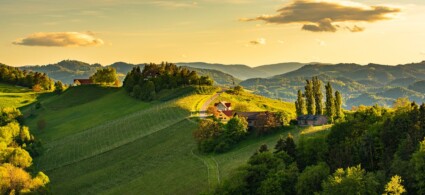
The Styrian Wine Route runs through 4,500 hectares of vineyards on hills reaching up to 650 metres above sea level. Styrian wines, particularly the white Sauvignon Blanc and Welschriesling, compete with the best in Europe. Buschenschank (traditional taverns) serve wines accompanied by Styrian bacon, Alpine cheeses and the famous Styrian Pumpkin Seed Oil, Protected Designation of Origin with its characteristic dark green colour.
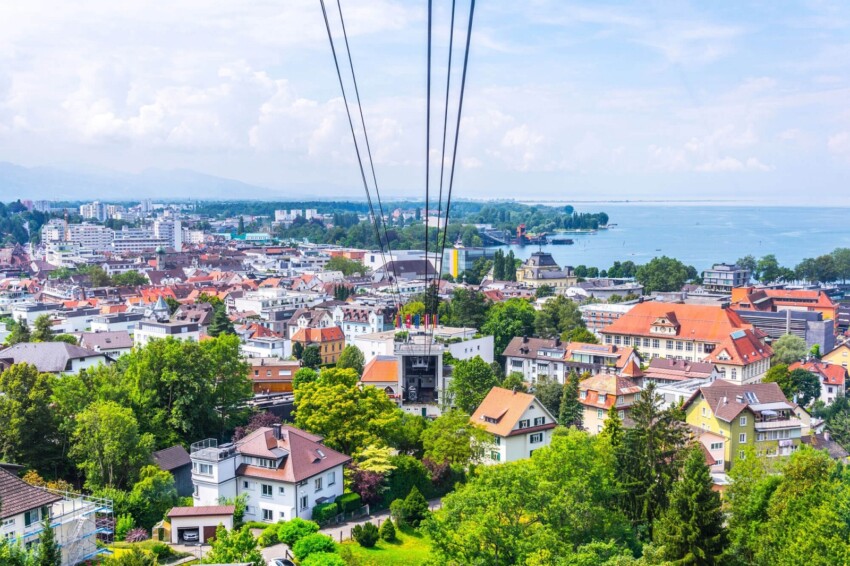
Vorarlberg, Austria’s westernmost region, is characterised by contemporary architecture, traditional crafts and landscapes ranging from the shores of Lake Constance to Alpine peaks over 3,000 metres. This small region of 397,000 inhabitants has developed a unique cultural identity, influenced by its proximity to Switzerland, Liechtenstein and Germany.
Bregenz, the regional capital on the shores of Lake Constance, hosts the Bregenz Festival every summer on a floating stage that attracts 200,000 spectators from all over the world. Monumental stage designs, renewed every two years, create visually stunning opera performances against the backdrop of the Alps.
Vorarlberg architecture has won international recognition for its harmonious integration of Alpine tradition and contemporary design. Local masters use local wood and innovative construction techniques, creating homes and public buildings that respect the mountain environment. The Vorarlberg School of Architecture influences designers throughout the Alps.
The Bregenzerwald preserves centuries-old craft traditions, particularly woodworking and cheese production. Vorarlberg Alpine cheeses, matured in alpine pastures over 1,500 metres above sea level, compete with the best Swiss products in terms of quality and distinctive flavour.
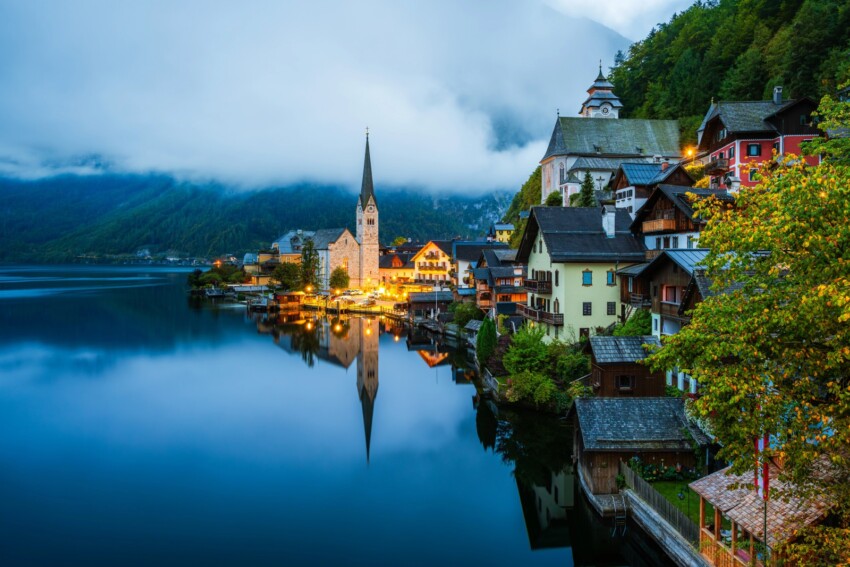
Upper Austria (Oberösterreich) combines the lakeside landscapes of the Salzkammergut, baroque monuments and industrial traditions that have made it one of the country’s most prosperous regions. The territory stretches from the banks of the Danube to the Alpine peaks of the Dachstein, offering extraordinary geographical diversity in a relatively small space.
Linz, the regional capital on the Danube, was designated European Capital of Culture 2009 thanks to its transformation from an industrial centre to an innovative cultural hub. The Lentos Kunstmuseum and theArs Electronica Center represent artistic and technological avant-gardes, while the Baroque old town retains imperial atmospheres.
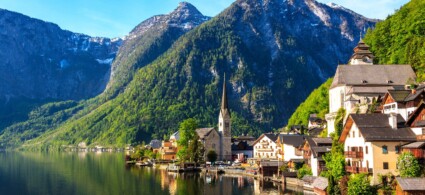
Hallstatt, a UNESCO World Heritage site, preserves 4,000 years of salt mining history. This village of 780 inhabitants, considered one of the most beautiful in the world, is reflected in the crystal-clear waters of the lake of the same name. The salt mines can be visited through galleries dug by the Celts in the 1st millennium BC.
The Melk Monastery, a Baroque masterpiece by architect Jakob Prandtauer, dominates the Danube with its 320-metre-long façade. The library houses 100,000 ancient volumes, while the abbey church impresses with polychrome marble and frescoes by Rottmayr. The Baroque gardens extend towards the river, creating scenes of incomparable beauty.
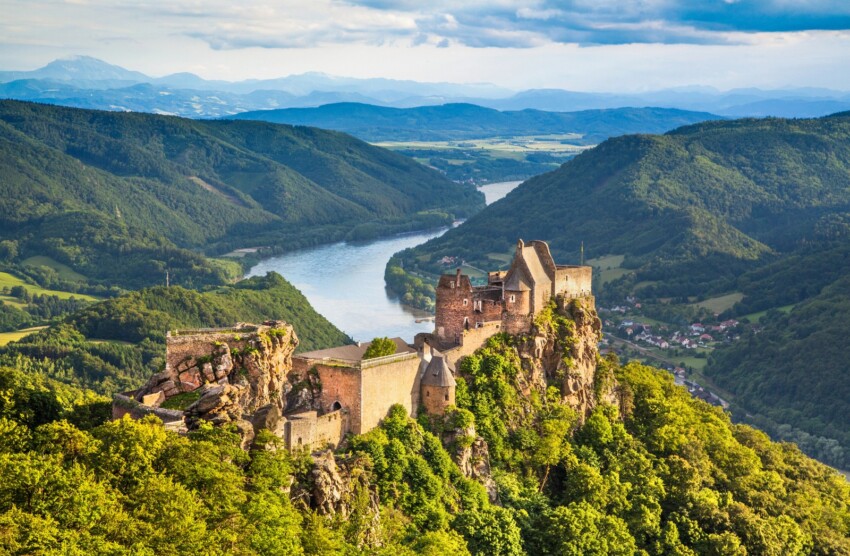
Lower Austria (Niederösterreich) surrounds Vienna and is the country’s largest region, preserving wine-growing landscapes, medieval monasteries and castles that bear witness to a thousand years of European history. The territory stretches along the Danube from the Wachau Valley to the borders with the Czech Republic and Slovakia.
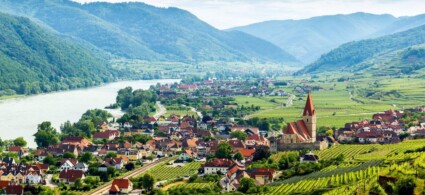
The Wachau Valley, a UNESCO World Heritage Site since 2000, represents the perfect balance of nature and culture along 36 kilometres of the Danube. This wine region produces some of Austria’s best white wines on terraces that date back to Roman times. The Wachau’s Riesling and Grüner Veltliner compete with the best European labels for complexity and longevity.
Sankt Pölten, the regional capital since 1986, combines Baroque old town with contemporary architecture in the Kulturbezirk, a cultural quarter designed in the 1990s. The Festspielhaus and Landesmuseum represent architectural modernity in dialogue with local traditions.
Lower Austria’s castles dot hills and valleys: Aggstein Castle dominates the Wachau from a rocky spur, while Riegersburg Castle watches over the Danube Valley from a strategic position. These medieval manors testify to the historical importance of the region as an eastern bastion of the empire.
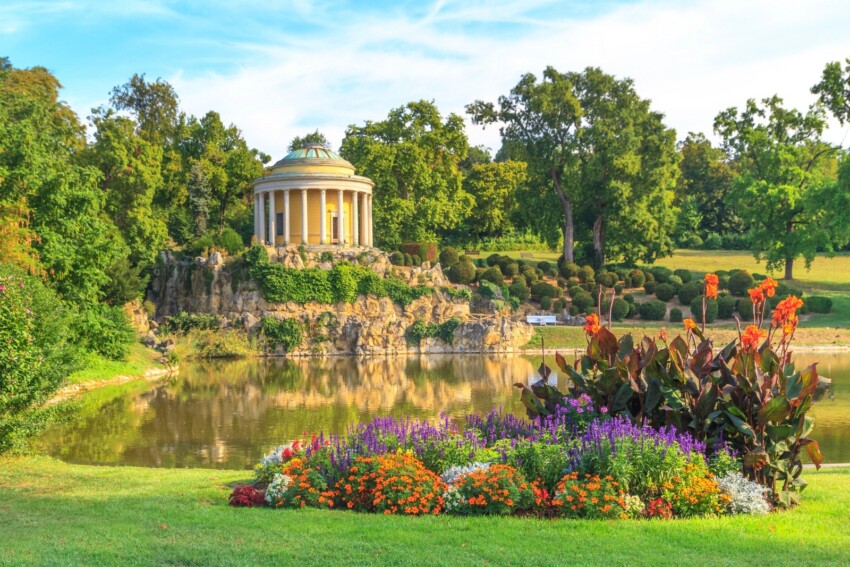
Burgenland, Austria’s easternmost region, surprises with steppe landscapes, salt lakes and wine-making traditions reflecting Hungarian and Slavic influences. This borderland, annexed to Austria in 1921, has developed a distinctive cultural identity that blends elements of Central and Eastern Europe.
The Neusiedler See, a UNESCO heritage site shared with Hungary, is the only steppe lake in Central Europe. With an average depth of 1.5 metres, this brackish body of water is home to 300 species of migratory birds and offers ideal conditions for windsurfing and sailing. The reed beds surrounding the lake create unique ecosystems, habitats for herons, storks and rare marsh species.
The winegrowing traditions of Burgenland produce some of the best sweet wines in the world. The noble wines of Rust and the Trockenbeerenauslese from the Eisenstadt hills compete with Sauternes and Tokaj for complexity and international prestige. The continental climate with warm summers and foggy autumns favours the formation of Botrytis cinerea, which concentrates sugars and aromas in the grapes.
Eisenstadt, the regional capital, preserves the memory of Joseph Haydn, court composer of the Esterházy princes for thirty years. Esterházy Castle, nicknamed the ‘Austrian Versailles’, hosts concerts in the hall where Haydn conducted the first performances of his symphonies.


 Hotel
Hotel  Budget accommodations
  Apartments
  Family Hotel
  Luxury Hotel