Things to do in Vienna
The must-see sights in Vienna. A guide to the must-see attractions on your next trip to the Austrian capital.

Let yourself be enchanted by Austria. From cosmopolitan Vienna to the green valleys of the Tyrol, from Salzburg, overflowing with history and culture, to the traditional Alpine villages, you will discover a modern country open to tourism, which strives hard to be more than a miniature Germany, thanks to its unique and inimitable traits and a past in which it was one of the most prosperous kingdoms in Europe.
In this respect, regal Vienna was the capital of the Austro-Hungarian Empire, the home of the Habsburg dynasty, who moulded it in their image and likeness, with elegant palaces and magnificent residences, so much so that today, walking around the city, one feels as if living in a 19th century court. At the same time, Salzburg is a triumph of the Baroque. Austria’s second largest city, the birthplace of Mozart, is so closely linked to music and art that UNESCO has included it in its World Heritage list.
But it is outside the cities that one breathes the true essence of Austria. Unspoilt nature, Alpine valleys surrounded by majestic peaks, crystal-clear rivers and lakes, forests of fir and beech, and an endless array of outdoor activities to do, both in summer and winter; and it is precisely in winter that the country experiences its tourism boom, thanks to an endless list of some of the world’s most beautiful ski resorts.
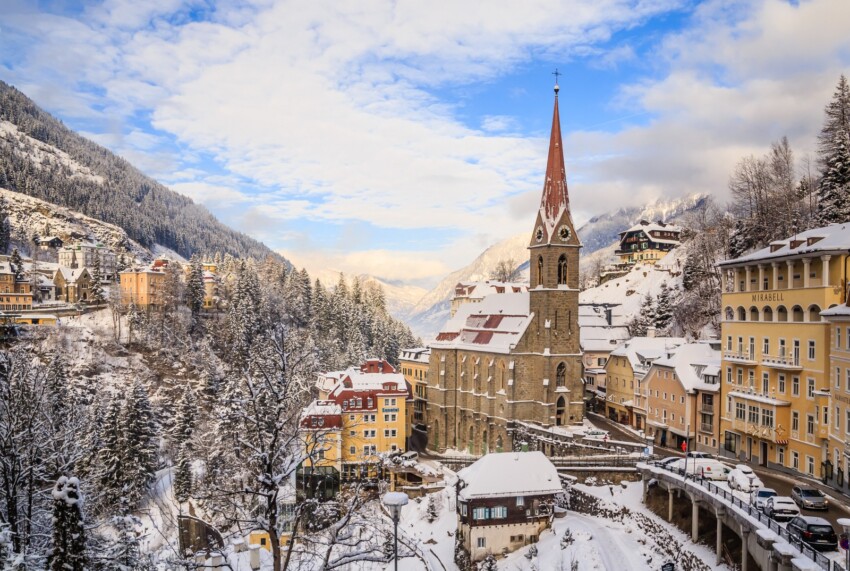
Austria is a destination that lends itself to visiting in both summer and winter. During the warm season, the days are long and pleasant, you can stay out late and make the most of the daylight hours, and nature is lush and green. In winter, of course, there is skiing: the Austrian Alpine resorts are among the most famous in the world, and are literally taken by storm by tourists and skiers, including many families with children.
An on-the-road tour of Austria is also pleasant to do in spring, especially from the end of April to the end of May, when prices are lower, there are fewer tourists, the country has shaken off the cold winter and nature is starting to awaken. Finally, the wonderful capital Vienna is a 365-day-a-year destination, although spring and autumn tend to be rainy, and winter is very cold. Worthy of note are the markets, both at Christmas and Easter, which are held in various squares around the city.
For more information on the best time to travel in Austria, average temperatures and monthly rainfall, we suggest you read the Austria Weather page.
Visiting Austria in depth is no small task, as between cities, alpine villages and unspoilt nature, there are plenty of things to see in Austria. It is best to divide the country into regions, and concentrate on just a few of them, or on the cities, leaving the rest for later travels.
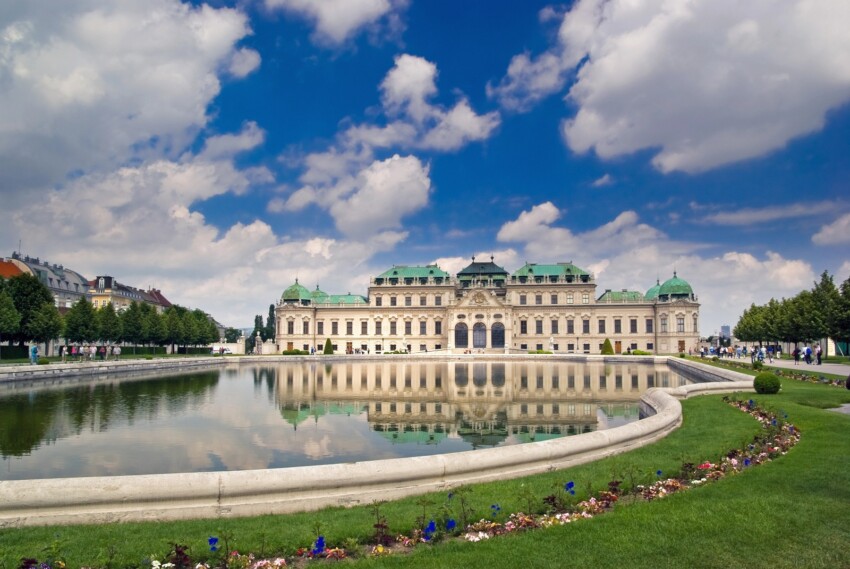
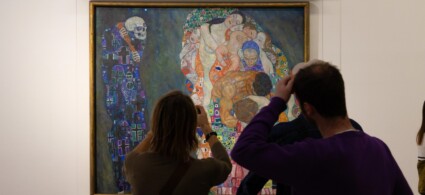
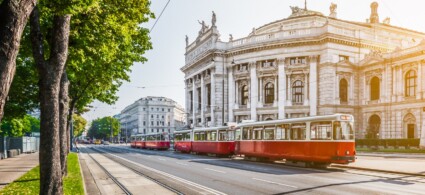
It’s impossible not to be charmed by the royalty and elegance of Vienna. The Austrian capital is one of the most beautiful cities in Europe, literally full of things to see, starting with St Stephen’s Cathedral, passing by the enormous Hofburg, the Habsburgs’ headquarters, now a museum. Also not to be missed is a visit to Schonbrunn Palace, built in 1730 outside the city as the former hunting lodge of the Habsburgs, now incorporated into the suburbs of Vienna and declared a UNESCO World Heritage Site.
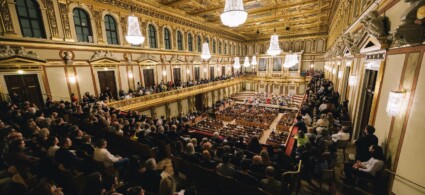
Vienna is also world-renowned for its Opera House, and the magnificent Belvedere Palace, located a short distance away. After sightseeing and museums, spend a relaxing day at the Prater, the city’s green lung, a park beloved by Viennese and tourists alike, where there is a large amusement park and where the famous Ferris wheel stands.
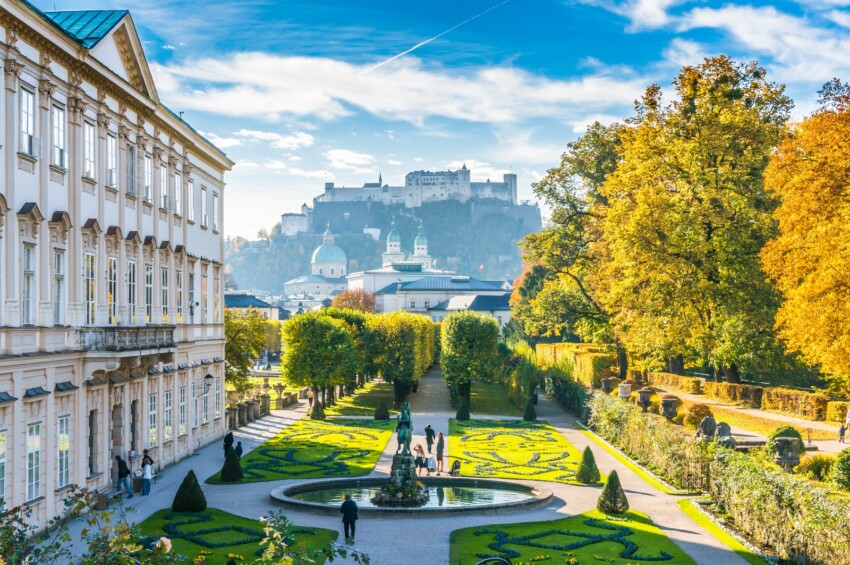
The beautiful Salzburg, birthplace of Wolfgang Amadeus Mozart, is a jewel located on the banks of the Salzach River. The old town is located on the left bank, and is flanked by a hill on whose summit stands the medieval fortress, the city’s former castle.
Staying in the centre, don’t miss a visit to Mozart’s birthplace, the beautiful cathedral square with its 17th century cathedral and a stroll along Getreidegasse, the city’s shopping street.
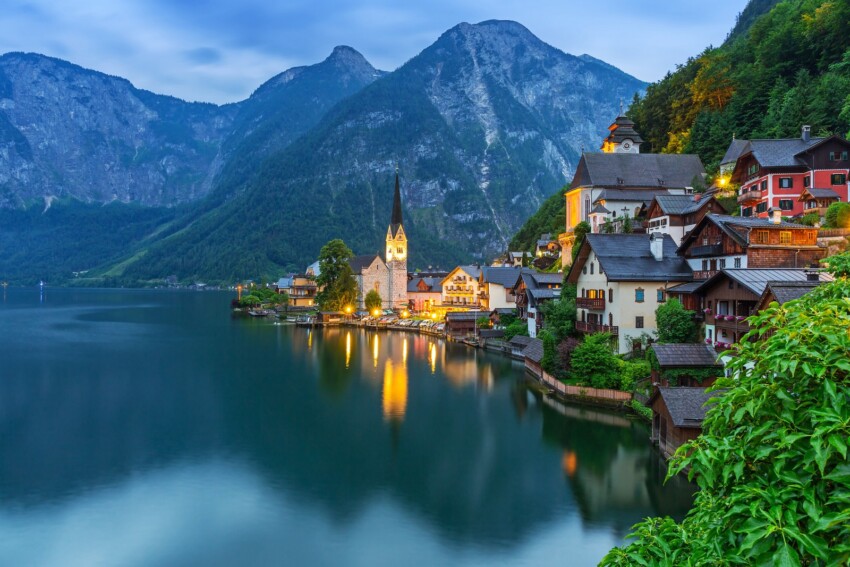
Hallstatt, nestled on the shores of the lake of the same name at the foot of the Dachstein massif, is Austria’s most iconic and photographed village. Its 780 souls live in colourful houses reflected in the crystal-clear waters, creating picture-postcard scenery that has even inspired the construction of a replica in China.
The village owes its fortune to the salt mines, the oldest in the world that can still be visited, active for more than 7,000 years. The discovery of the Iron Age necropolis gave the entire Hallstattian civilisation (800-400 BC) its name. Since 1997, the entire site has been a UNESCO World Heritage Site, together with the surrounding Dachstein-Salzkammergut cultural landscape.
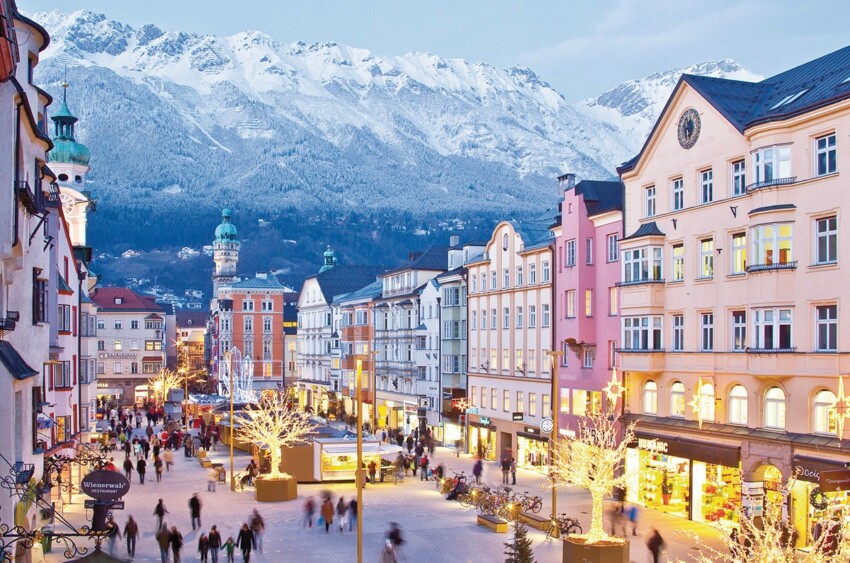
The Tyrol region, the segment of Austria that represents its south-west end, is sandwiched between Germany, Switzerland and Italy. It is one of the country’s most tourist-oriented areas, both in summer, when hikers cross its valleys on foot or by bike and climb its peaks, and in winter, when skiers from all over the world flock to its most famous resorts, such as St. Anton, Lech, Mayrhofen, Solden, Kitzbuehel and Ischgl.
A visit to Tyrol’s largest city, the magnificent Innsbruck, and the surrounding villages and resorts, such as Kufstein, Hall in Tirol or Zell Am See, is also very interesting. Finally, a visit to the Swarovski factory-museum in Wattens is not to be missed. It is here that the crystals and jewellery that fill boutiques all over the world are produced.
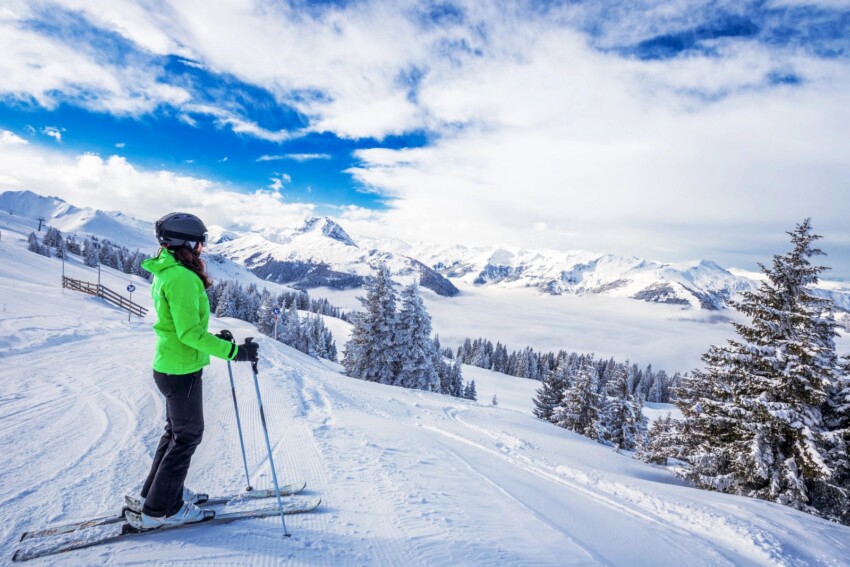
Austria is one of the most renowned ski destinations in the world, with over 400 ski areas totalling 7,200 km of perfectly groomed slopes connected by state-of-the-art lifts. The country has hosted two Winter Olympics (Innsbruck 1964 and 1976) and annually hosts stages of the Ski World Cup on legendary slopes such as the Streif in Kitzbühel, considered the most difficult and spectacular descent on the circuit.
Tyrol concentrates the most famous ski resorts: St. Anton am Arlberg, the cradle of modern alpine skiing, offers 305 km of slopes and legendary off-piste runs. Kitzbühel, an elegant resort frequented by VIPs and royal families, combines elite skiing and sophisticated après-ski. Sölden, arena of the 2022 World Cup, reaches 3,340 metres on the Rettenbach glacier with 144 km of pistes. Ischgl, on the Swiss border, is famous for spring concerts with international stars and 238 km of pistes.
Salzburg boasts Saalbach-Hinterglemm-Leogang, the ‘Circus Skicircus’ with 270 km of slopes and 70 lifts, and Zell am See-Kaprun with summer skiing on the Kitzsteinhorn glacier. Carinthia offers family resorts such as Bad Kleinkirchheim, where Ski & Spa combine perfectly. Seefeld in Tyrol is the cross-country skiing capital with 279 km of trails.
Summer turns the Austrian mountains into a hiking paradise with over 50,000 km of marked trails. The Eagle Trail (Adlerweg) crosses the Tyrol over 413 km in 33 stages. Alpine huts (over 500) offer traditional hospitality with typical dishes. Climbing, mountain biking and paragliding complete the alpine sports offer, while via ferrata routes allow you to reach spectacular peaks in safety.

Austria has a spa tradition dating back thousands of years, with more than 20 spa resorts combining certified curative waters and state-of-the-art wellness centres. Austrian spas exploit natural springs with temperatures between 20°C and 47°C, rich in beneficial minerals for rheumatic, dermatological and respiratory conditions.
Bad Gastein, in the Upper Salzach Valley, is the ‘Queen of the Alps’ frequented by the European aristocracy in the 19th century. Its radon-thermal waters gush out at 47°C and the historic Belle Époque centre with its grand hotels overlooking the central waterfall retains its imperial charm. The Felsentherme thermal baths use water that flows through mountain rocks for 18,000 years before emerging. The Gasteiner Heilstollen, a thermal gallery in the heart of the mountain at an altitude of 2,500 metres, offers unique therapies with natural radon, heat and high humidity.
In Vorarlberg, the Aqua Dome spa in Längenfeld features futuristic architecture with suspended floating pools and views of the Ötztal Alps. Bad Blumau in Styria is home to Rogner Bad Blumau, a spa complex designed by Friedensreich Hundertwasser with dreamlike architecture and volcanic waters. Carinthia offers Bad Kleinkirchheim, which combines spas and skiing right on the slopes, and Wörthersee with modern spas overlooking the lake.
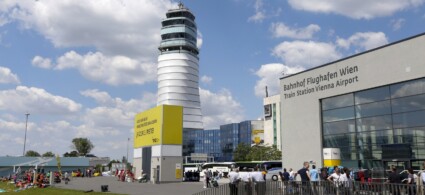
The gateway to Austria is Vienna International Airport, which alone handles almost 90% of the country’s air traffic and is well connected to the rest of Europe by direct flights of numerous airlines, low-cost and traditional, including the country’s national airline Austrian Airlines. The airport is 18 km from the city centre, which can be reached in 16 minutes with the City Airport Train or in 25 minutes with the S-Bahn trains.
Salzburg Airport (SZG), 4 km from the city centre, handles 2 million passengers and is particularly convenient for reaching the ski resorts of Salzburg and East Tyrol. Innsbruck Airport (INN) mainly serves seasonal winter flights for alpine skiing, being only 4 km from the centre. Graz Airport (GRZ) connects Styria with major European cities, while Klagenfurt (KLU) and Linz (LNZ) offer seasonal charter and low-cost flights.
Austria is fully integrated into the European high-speed rail network. ÖBB Railjet trains connect Vienna with Munich (4 hours), Budapest (2h30), Prague (4 hours), Zurich (8 hours) and Venice (7h30). Nightjet connections offer sleeper coaches to Rome, Milan, Hamburg and Berlin, allowing comfortable overnight travel. The main stations – Wien Hauptbahnhof, Salzburg Hauptbahnhof, Innsbruck Hauptbahnhof – are modern and perfectly connected to urban transport.
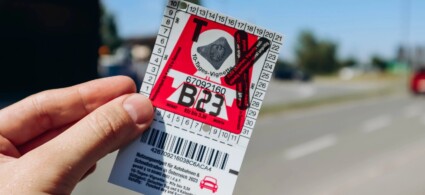
By car, Austria is criss-crossed by the A1 motorway linking Salzburg and Vienna (300 km), the A12 which runs through the Inn Valley in Tyrol, and the Brenner Pass (A13), the most important Alpine pass linking Italy and Austria. The motorway vignette is compulsory to drive on the motorways: available for 10 days, 2 months or annually, it can be bought online, at service stations or at the borders.
Austria offers awide range of accommodation, from luxury hotels in historic Viennese palaces to alpine wooden chalets with breathtaking mountain views. Imperial cities such as Vienna, Salzburg and Innsbruck are home to design hotels, boutique hotels in period buildings and modern hostels in the old town, perfect for those who favour culture and urban life.
The ski resorts in the Tyrol, Salzburg and Vorarlberg offer mainly family-run guesthouses (Gasthof) and ski-in/ski-out hotels with direct access to the slopes. Many facilities include wellness centres with saunas, heated pools and alpine treatments. Alpine huts (Berghütte) offer an authentic experience: run by mountain families, they serve traditional dishes and offer dormitories or spartan rooms at altitudes between 1,500 and 2,500 metres.
For those in search of authenticity, farm holidays (Urlaub am Bauernhof) in Tyrol, Styria and Salzburg allow you to experience Alpine farm life, with the possibility of participating in milking, cheese production and hay harvesting. Historic spas such as Bad Gastein and Bad Ischl boast Belle Époque hotels that retain imperial charm with modern spas.
Austria’s telephone code is +43: to call an Austrian number from your country of residence, dial 0043 before the recipient’s number. To call your country of residence from Austria, on the other hand, you need to add your international code.
Austria follows the time zone GMT+1, GMT+2 with daylight saving time. The country adopts daylight saving time from the last Sunday in March to the last Sunday in October.
Austria is located in the heart of central Europe, landlocked. It borders eight countries: Germany and the Czech Republic to the north, Slovakia and Hungary to the east, Slovenia and Italy to the south, and Switzerland and Liechtenstein to the west.
Vienna is only 60 km from Bratislava, making them the two closest capitals in the world after the Vatican City and Rome.
Austria is part of the European Union and the Eurozone, so the official currency is the euro. You will not need to change money during your holiday! Before 1 January 2002, when the Euro came into force, the national currency was the Austrian Schilling, which was replaced with an exchange rate of 13.7603 Schilling for 1 Euro.
Electrical sockets in Austria are compatible with European ones (type F – Schuko), voltage 230V and frequency 50Hz.
The flag of Austria consists of three horizontal stripes of equal size: red, white and red. It is one of the oldest national flags in the world, with origins dating back to 1191 when Duke Leopold V fought in the Third Crusade. The current flag was officially adopted in 1945.
 Hotel
Hotel  Budget accommodations
  Apartments
  Family Hotel
  Luxury Hotel